
Renovating or adding an extension is the perfect opportunity to prepare your home for smart technology, even if you don’t plan to install everything immediately. Investing time and effort at the pre-wiring stage can save you money, reduce messy cables, and prevent costly upgrades or repairs down the line. By planning, you’ll enjoy a cleaner, more reliable smart home setup that’s easier to expand as new technology becomes available.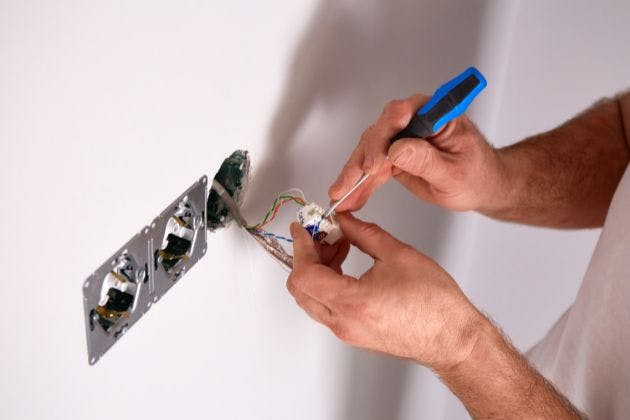
How smart home pre‑wiring helps your renovation
Pre‑wiring means running data and low‑voltage cables while the walls and ceilings are open, usually at first fix. This gives you a tidy, hidden infrastructure that can support Wi‑Fi, audio, security, lighting control and more.
If you skip this step, you may end up with surface trunking, limited positions for cameras or speakers, and fewer options for flexible lighting scenes. Retrofitting is possible, but it is often more disruptive and compromises the finish you have paid for.
Core pre‑wiring checklist for a future‑ready home
Every project is different, but there are some common wiring runs that suit most homes. Even if you do not install the smart kit straight away, having these cables in place keeps your options open.
CAT6 to TV points: At least two CAT6 cables plus coax to each main TV location for streaming, smart TVs, media players and possible hard‑wired internet.
AV rack location: A central cupboard or small rack space with power, ventilation and multiple CAT6 runs from key rooms.
Ceiling speakers: Speaker cable from the AV rack to ceiling speaker positions in lounges, kitchens, open‑plan spaces and maybe bathrooms.
Doorbell and intercom: Data and power to the front door and any gates if you might want a video doorbell or gate entry system.
Cameras: CAT6 to likely CCTV points covering entrances, driveways, garden and vulnerable areas.
Smart Wi‑Fi and network coverage
Good Wi‑Fi is the backbone of a smart home. Rather than rely only on a single router, plan for wired access points in the ceiling.
Run CAT6 to central ceiling spots in large rooms, hallways and landings where Wi‑Fi access points can be installed. This reduces dead zones and makes smart devices much more reliable than plug‑in extenders.
Lighting control, blinds and shades
If you are considering smart lighting, discuss with your electrician whether to wire back to a central control panel or keep traditional loops but allow for smart keypads. Extra data runs near key switch positions can support future upgrades.
For blinds and shades, pre‑wire power to the head of each window where you might want motorised blinds, ideally from a nearby fused spur rather than a trailing plug. This keeps windows tidy and avoids chasing walls again later.
Garden, garage and outbuilding runs
Think beyond the main house. Run suitable outdoor‑rated CAT6 and power to sheds, garages, garden rooms and key points in the garden.
This supports future cameras, Wi‑Fi, lighting scenes and even outdoor audio, all without needing to dig up finished landscaping later on.
Recording what is in the walls
Pre‑wiring is only as good as the documentation that goes with it. After plastering, it is surprisingly easy to forget exactly where everything is.
Before the walls are closed, take clear photos of each wall and ceiling showing cable routes and back boxes. Store these with your digital house file so they are easy to find in future.
Label both ends of every cable using a simple, consistent system, for example room‑code and function. Update a floorplan with the cable labels and locations so any installer can understand the layout years later.
What happens if you do not plan ahead
Skipping pre‑wiring does not stop you from having a smart home, but it does limit what is possible. You may rely heavily on wireless devices, which can be less reliable and harder to scale.
Common consequences include visible trunking to reach cameras or TVs, fewer camera angle options, weak Wi‑Fi in key spots, and restricted lighting scenes because the right cables are not in place. You might also have to reopen finished walls if you change your mind later.
Coordinating builder, electrician and smart home integrator
The best results come when your team talks to each other early. Ideally, a smart home integrator helps design the system before the electrician starts first fix wiring.
Key decisions such as the AV rack location, access point positions, lighting control approach and window treatment cabling all need to be made before cables are run. Clear drawings and a single set of agreed plans help avoid confusion.
To avoid rework, make sure any changes on site are fed back to your smart home designer. A quick check before plasterboard goes on can catch missing cables and save a lot of patching and repainting later.
Professional systems can still be retrofitted after the build, often using wireless solutions and some careful cable routing. However, proper pre‑wiring usually delivers a neater result, more scene options and greater long‑term reliability.
Questions to ask your smart home installer
Before you commit to a wiring plan, have a short checklist of questions for your installer or integrator. This helps ensure your system is practical as well as impressive.
What size AV rack or cupboard do you recommend, and where should it go?
How will ventilation and heat management be handled in the rack space?
What surge protection and power management will you include to protect equipment?
How much space is needed around the rack for maintenance access and future upgrades?
What documentation and labelling will you provide at the end of the job?
Next steps for your renovation project
If you are planning a renovation or extension, the ideal time to think about smart home wiring is before the first fix. A short design session and wiring plan can prevent costly compromises later.
Looks Lovely Limited can help you create a tailored pre‑wire plan as part of a smart home design consultation, covering networking, audio, security and lighting control. To discuss your project, request a pre‑wire plan or learn more about electrical services and smart home installation, call Looks Lovely Limited on 07939581540.