
Smart doorbells, bulbs, and speakers are easy to buy and fun to use, making them popular first steps into smart home technology. However, as you add more devices from different brands, managing multiple apps and voice assistants can quickly become confusing and frustrating. Many homeowners then face the question: Should I keep adding these standalone devices piecemeal, or is it time to invest in a proper control system that brings everything together seamlessly?
A control system offers one simple interface to manage lighting, security, audio, and more, creating smooth automation and smarter living throughout your home.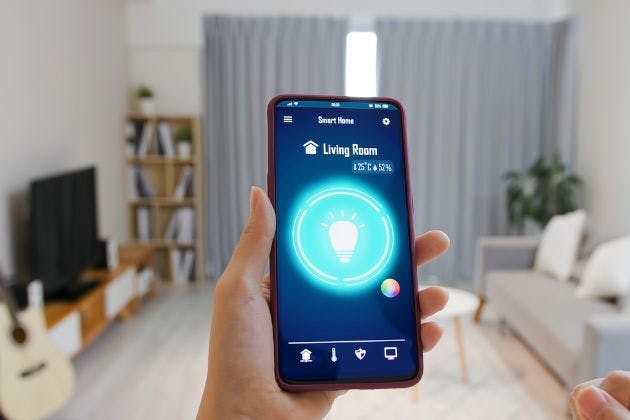
What an integrated control system actually does
A control system sits above your devices and gives you one simple interface to run the whole home. Instead of jumping between apps, you have a single app, wall keypad, touch screen or remote that talks to all your lighting, blinds, AV, security and heating.
It lets you create scenes and automation that involve several systems at once. For example, a single button can adjust lights, lock doors and set your music, without you needing to script each device separately.
Key benefits typically include:
Single interface for lights, shades, AV, security and more
Scenes such as Goodnight, Movie or Cooking that change multiple things at once
Automation logic based on time, presence, sensors or geolocation
Remote access to check and control the home when you are away
User permissions so children, guests or cleaners only see what they need
Think of it as a conductor for your technology, making sure all your smart devices play nicely together without you doing all the work.
Where DIY smart devices work well
If you are starting out, there is nothing wrong with buying a few smart devices and using their own apps. For a single room or a very simple setup, this can be ideal and cost-effective.
DIY tends to work best when you have:
One or two rooms of smart lighting, maybe a voice assistant and a TV streamer, where hopping between apps is not a big deal. In this sort of setup, the tech enthusiast in the house can usually keep everything working.
It also suits people who are happy experimenting with routines and rules in different apps, and who do not mind that guests or less tech-savvy family members might rely on standard switches or remote controls instead.
Where the piecemeal approach starts to break down
Problems usually appear when you try to scale from a smart room to a smart home. Having separate apps for lighting, heating, blinds, CCTV, alarms, speakers, and TVs quickly becomes confusing.
Reliability can also suffer. When one cloud service updates or a brand changes its app, your carefully built routines may stop behaving as expected. You can end up spending evenings troubleshooting instead of enjoying your home.
Family usability is another common pain point. If only one person understands which app runs which device, everyone else will default to manual controls. A control system gives clear, consistent interfaces around the house so anyone can use the tech confidently.
Real-life scenes that show the difference
"Goodnight" scene
With scattered smart devices, saying goodnight might mean checking several apps: turn off lights, lower thermostats, lock the smart lock, stop the music and check cameras. If you forget one, you are back out of bed.
With a control system, a single Goodnight button by the bed can:
Turn off interior lights, leave selected night lights at low level, lock exterior doors, arm the alarm, switch off AV and set cameras to night view. You can even have it slightly warm the bedrooms while allowing the rest of the house to cool.
"Arrive home" scene
With just smart devices, arriving home might trigger a doorbell notification, then you open a lighting app, then a heating app, then ask a voice assistant to start music. It works, but it is a sequence of actions and apps.
On a control system, geolocation or a fob can trigger an Arrive Home scene. The hallway lights come on, blinds open if it is daytime, heating resumes your comfort schedule, and your favourite station plays in the kitchen. It feels joined up instead of pieced together.
"Holiday mode" for peace of mind
Going away with a bag of different smart apps can be stressful. You may set some random lighting, adjust the heating separately and hope the cameras stay connected. If anything goes offline, you might not notice until you return.
A control system can run a full Holiday mode: lights replay natural patterns, heating is set to safe levels, blinds move occasionally, and you can see doors, gates and cameras from one app. If something misbehaves, your integrator can often log in remotely to help.
Longevity, updates and long-term support
Smart home technology is not a one-off purchase. Brands release updates, change features and sometimes discontinue products. In a pure DIY setup, you carry all the responsibility for keeping track and fixing issues.
A robust control system is designed with long-term compatibility in mind. It acts as a stable core, so if you change a light fitting or upgrade your TV, your routines and scenes can often stay the same with a bit of reconfiguration rather than starting over.
This is one reason many homeowners choose a professional integrator. They help with design, product selection and installation, but also with aftercare: updates, health checks, tweaks as your lifestyle changes and support if something goes wrong.
Working with the existing kit and growing over time
You do not have to choose between “all in on a control system” or “all DIY gadgets”. A good integrator will look at what you already own and see what can be brought into a more joined-up setup.
In many homes, it makes sense to start with lighting and AV in the main living areas, then add security, heating or additional rooms later. This phased approach lets you spread the work and investment while keeping a clear plan for the result.
Common questions from homeowners
Can I start small and expand later?
Yes. Many projects start with one or two key spaces, such as an open-plan kitchen and living room, plus maybe the front door and hallway. As you experience the benefits, you can extend the system to bedrooms, garden and outbuildings.
The crucial part is good planning at the start. That way, wiring, network and hardware choices support future expansion without needing to rip things out later.
Can I keep some of my existing smart devices?
Often you can. Many control platforms integrate with popular brands of lighting, speakers, thermostats and security products. An integrator will assess each device and confirm whether it can be brought under central control.
Where something cannot be integrated cleanly, you can decide whether to leave it standalone or replace it over time as part of your phased plan.
What happens if one device brand changes something?
In a DIY-only setup, a major update can break your routines overnight, and you are left to unpick the issue. With a control system, there is an extra layer managing the logic, which can cushion some of those changes.
Your integrator also keeps an eye on compatibility announcements and best practices, so you are not navigating these changes alone.
Next steps: map your smart home goals
If you are unsure whether to keep adding smart devices or move towards an integrated control system, it helps to talk through your home, family and plans with a specialist. Together, you can map what you want your home to do, then match that to a realistic phased roadmap.
Looks Lovely Limited can help you compare options, design a control system that suits your lifestyle and link it with services like smart home installation and smart lighting. To explore ideas and create a plan that fits your home, book a friendly discovery call on 07939581540 and start turning scattered gadgets into a truly connected home.